
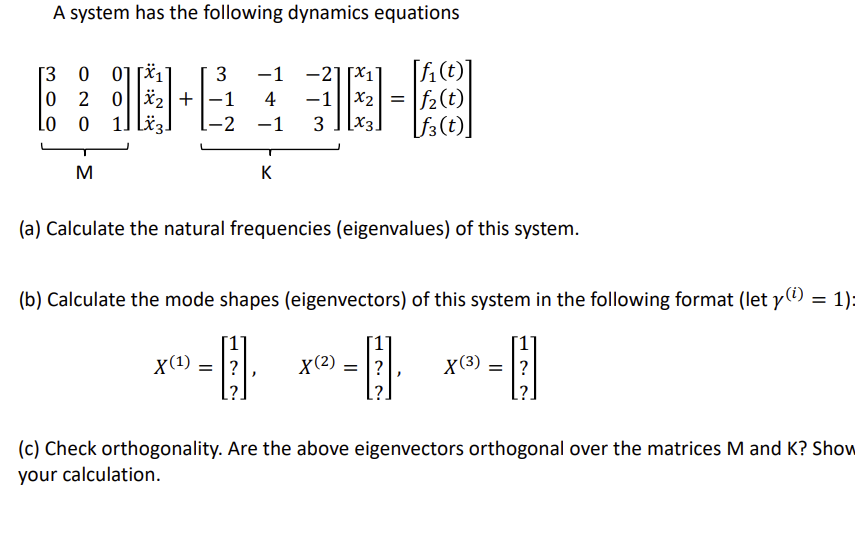
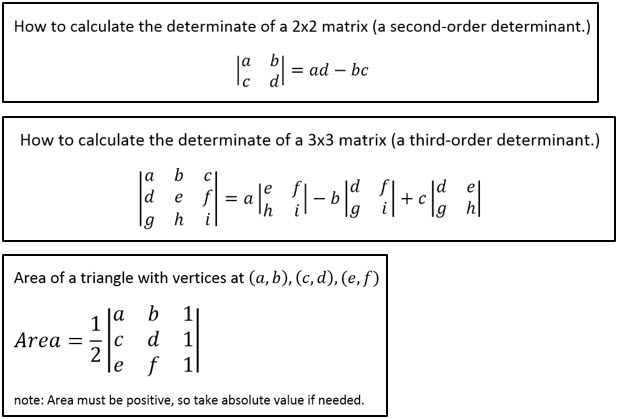
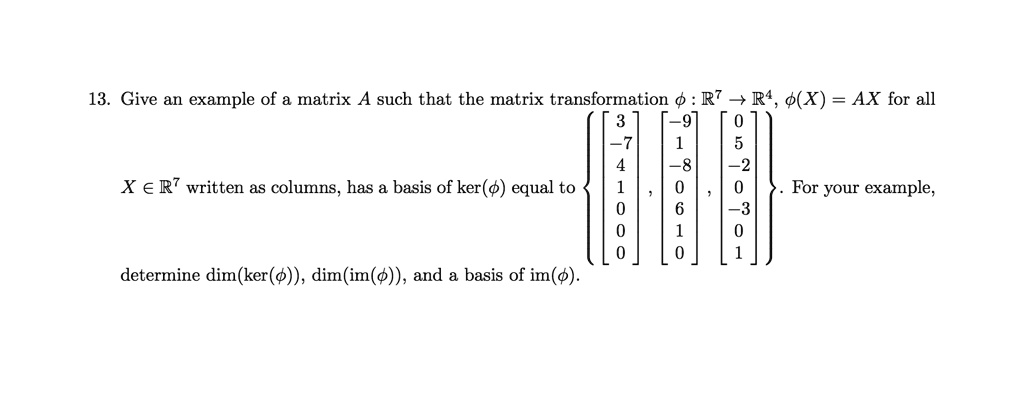
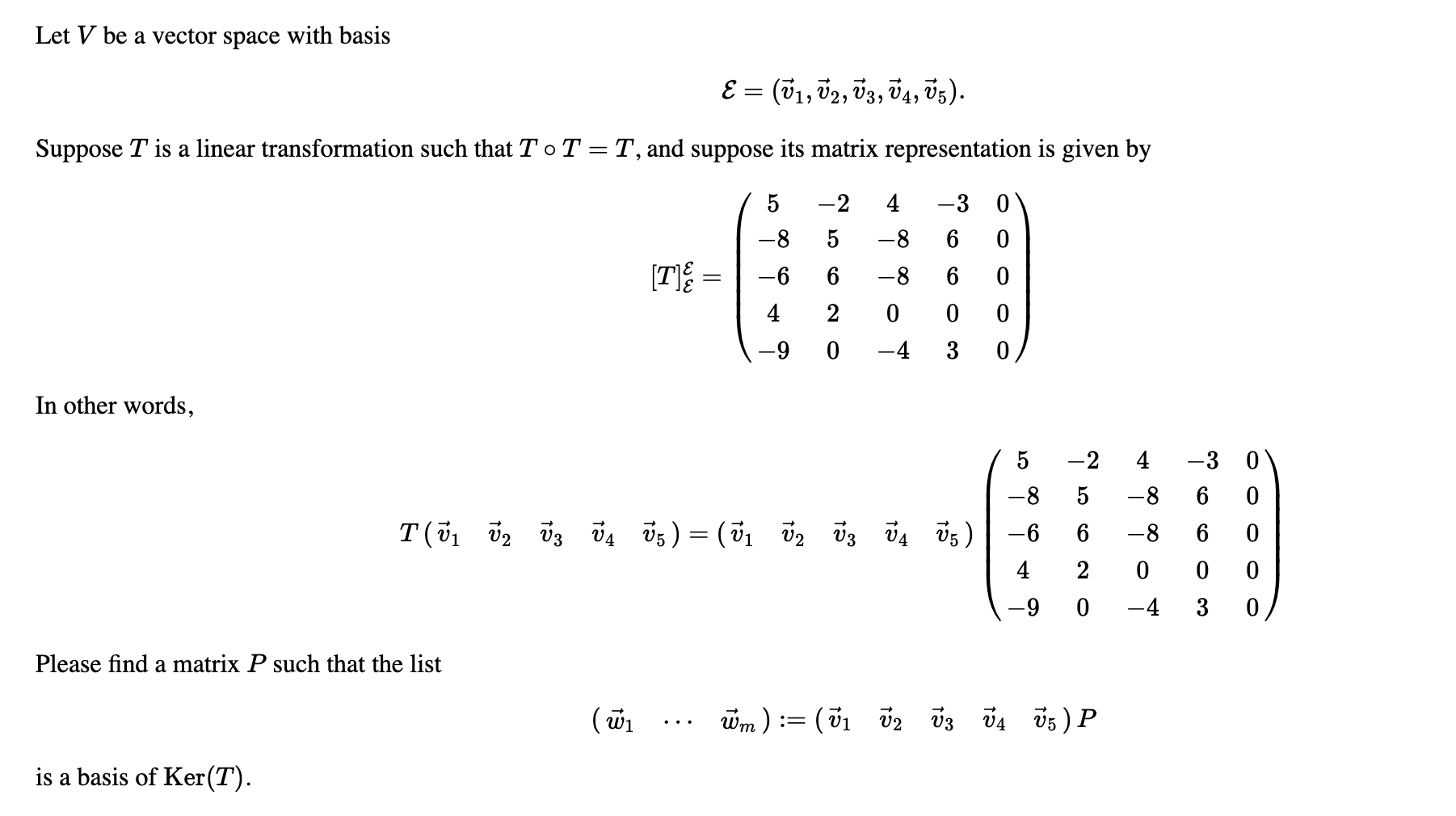
![Solved (20*] Let T:R4 → R4 be a linear transformation given | Chegg.com](https://media.cheggcdn.com/media/724/724da1a6-bdf8-47cc-8b09-9fb3b5112beb/phpcvMTv4.png)
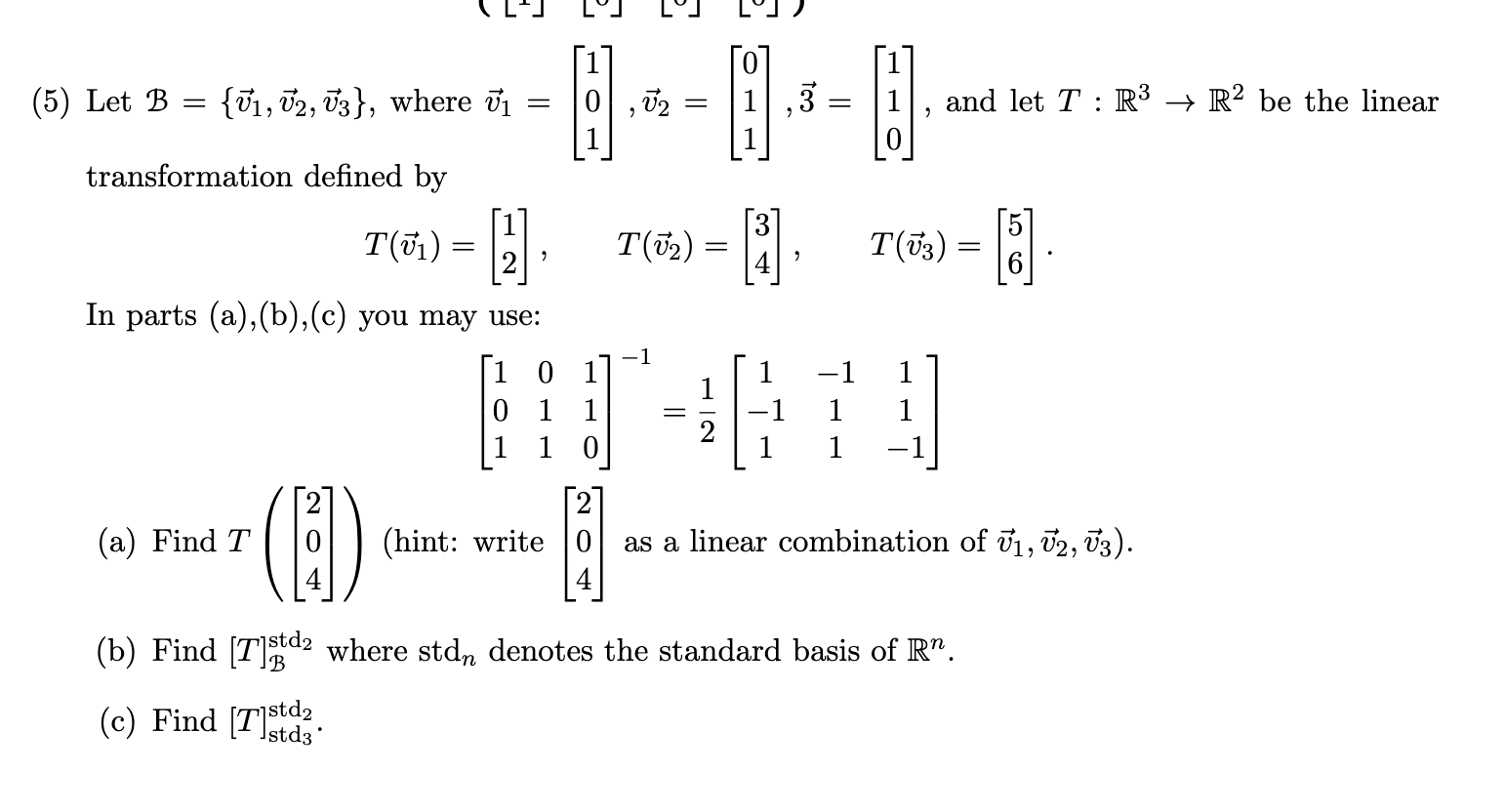
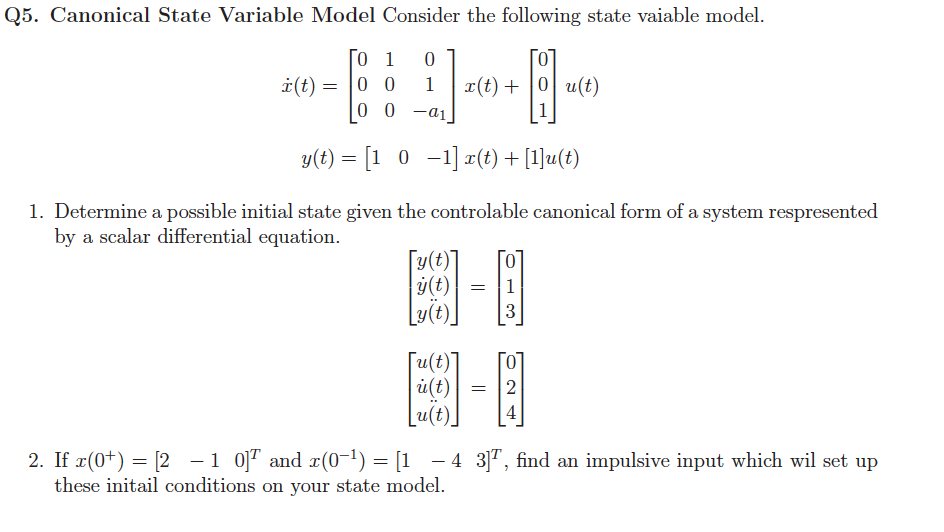

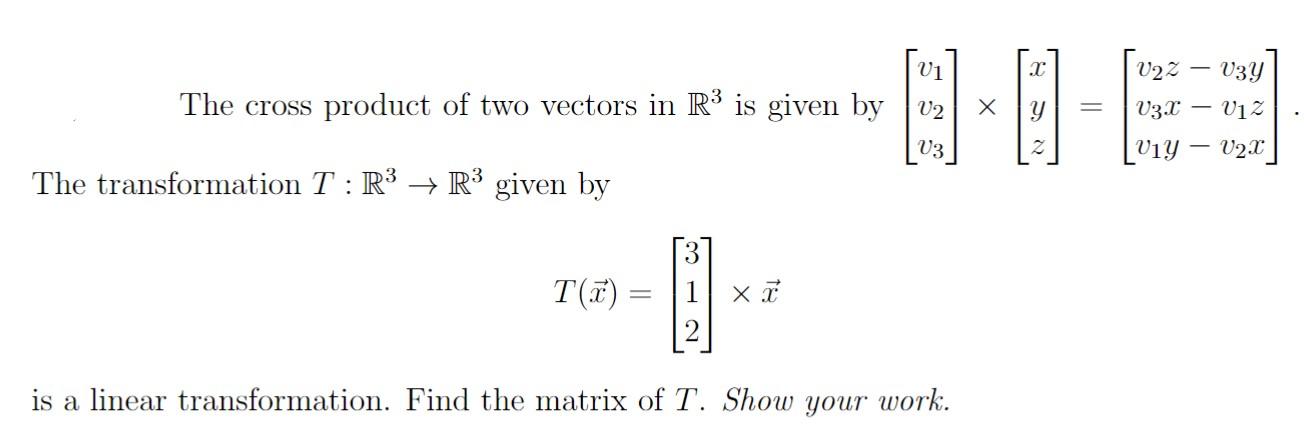
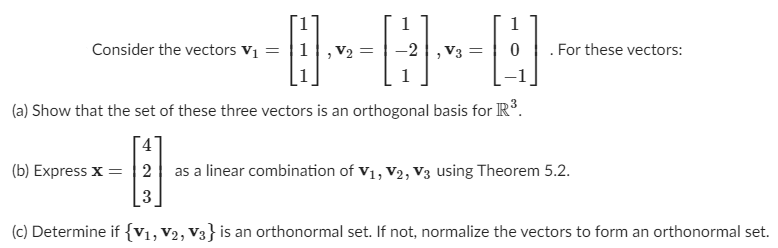
![Solved [-2/3] 1. Consider the vectors V1 = 1, V2 = 1/3 and | Chegg.com](https://media.cheggcdn.com/media/8ac/8acd7399-c8ec-4b57-a777-d3b5d2304e68/php1jwVho.png)
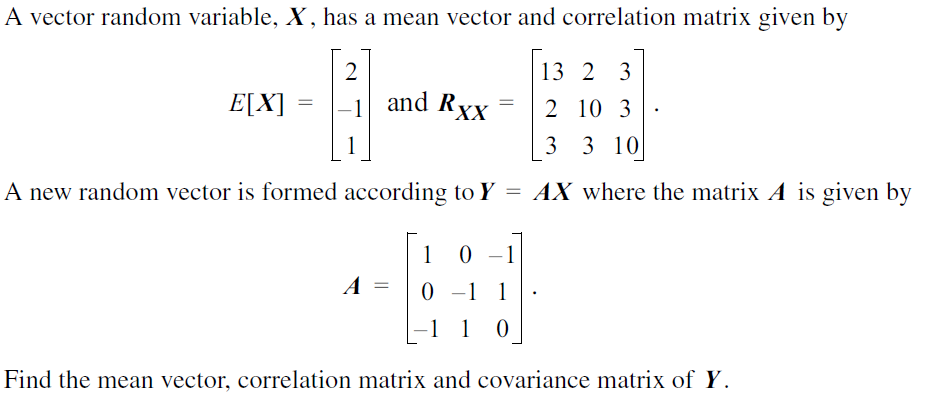
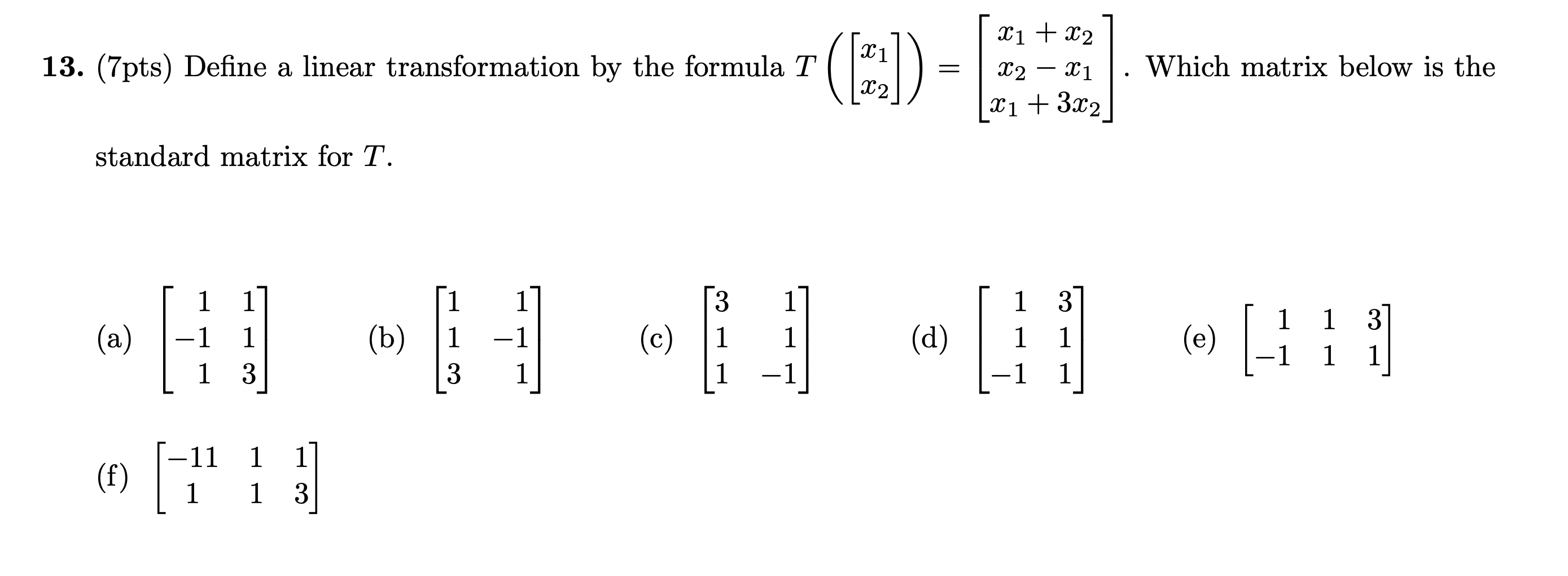
![linear algebra - Determining if subset S = [a b c] where a, b, c are ...](https://i.stack.imgur.com/OcPO8.png)
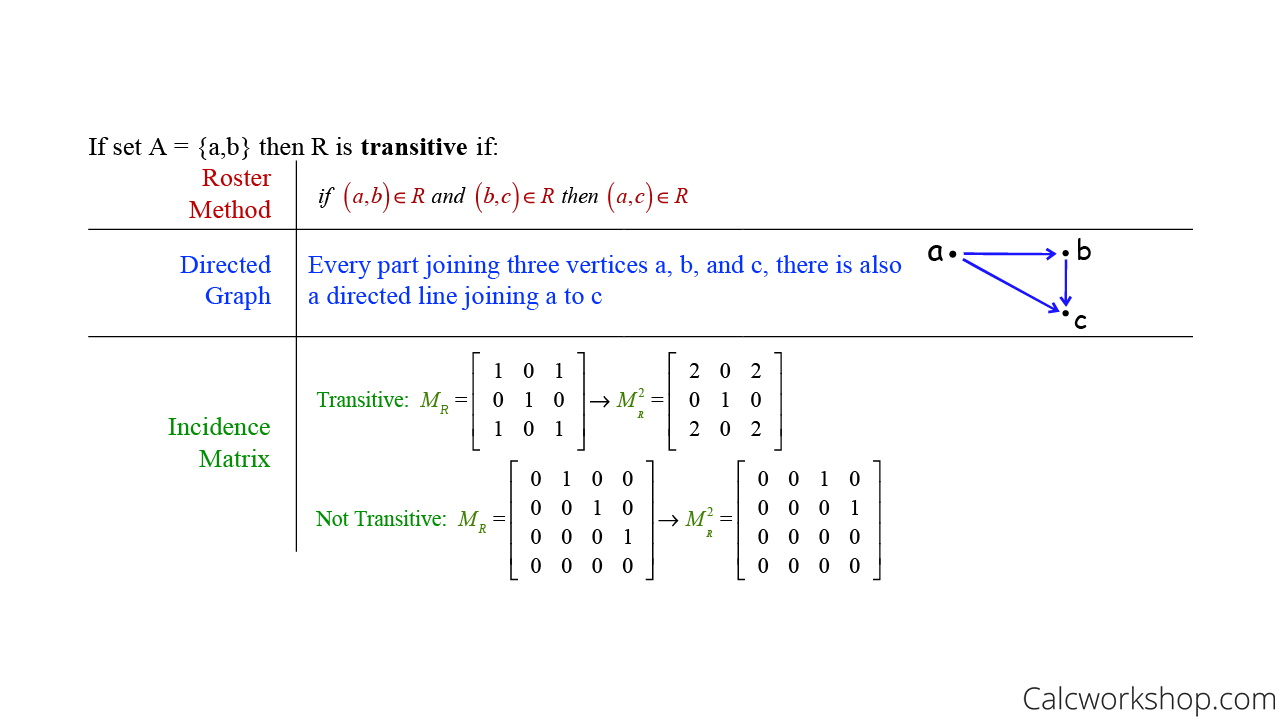
Capture truth through comprehensive galleries of documentary-style discrete math relations (illustrated w 15 examples!) photographs. honestly portraying photography, images, and pictures. ideal for historical documentation and archives. Our discrete math relations (illustrated w 15 examples!) collection features high-quality images with excellent detail and clarity. Suitable for various applications including web design, social media, personal projects, and digital content creation All discrete math relations (illustrated w 15 examples!) images are available in high resolution with professional-grade quality, optimized for both digital and print applications, and include comprehensive metadata for easy organization and usage. Discover the perfect discrete math relations (illustrated w 15 examples!) images to enhance your visual communication needs. Cost-effective licensing makes professional discrete math relations (illustrated w 15 examples!) photography accessible to all budgets. Multiple resolution options ensure optimal performance across different platforms and applications. Time-saving browsing features help users locate ideal discrete math relations (illustrated w 15 examples!) images quickly. Professional licensing options accommodate both commercial and educational usage requirements. Diverse style options within the discrete math relations (illustrated w 15 examples!) collection suit various aesthetic preferences. Whether for commercial projects or personal use, our discrete math relations (illustrated w 15 examples!) collection delivers consistent excellence. Reliable customer support ensures smooth experience throughout the discrete math relations (illustrated w 15 examples!) selection process.